Citi ACH Payments: Your Ultimate Guide\n\nHey there, guys! Ever wondered about those
mysterious
“ACH payments” that show up in your bank statements or are used by your employer for direct deposit? Well, you’re absolutely in the right place because today, we’re diving deep into the world of
Citi ACH payments
. Whether you’re a savvy business owner looking to streamline your financial operations, a payroll manager aiming for efficiency, or just curious about how money moves in the digital age, understanding
ACH payments
—especially when they involve a global financial powerhouse like
Citibank
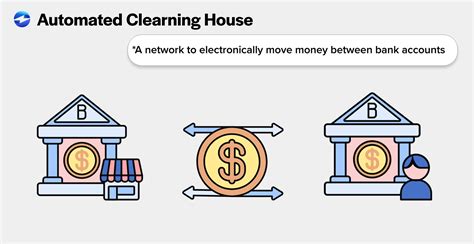
—is super important. Think of ACH as the silent, reliable workhorse of the financial world, handling billions of transactions annually across the United States. When you hear “ACH,” it stands for
Automated Clearing House
, which is basically a fancy way of saying it’s an electronic network for financial transactions in the U.S. that processes large volumes of credit and debit transfers in batches. And
Citibank
, being one of the largest and most established financial institutions globally, plays a massive, critical role in facilitating these transactions for countless businesses and individuals, both large and small. This comprehensive guide is specifically designed to break down everything you need to know, from the absolute basics of
what ACH is
to
how to set up Citi ACH payments
for various purposes, common scenarios you’ll encounter, and even essential troubleshooting tips to keep your transactions smooth. So, buckle up, because we’re about to make
Citi ACH payments
less of a mystery and more of a powerful, understandable tool in your financial arsenal! We’ll explore
why Citi is a go-to choice
for many when it comes to these critical electronic transfers, how their robust infrastructure ensures top-tier security and unparalleled efficiency, and what practical steps you need to take to leverage their extensive services effectively. We’ll also touch on the
immense benefits for both businesses and individuals
, covering everything from managing employee payroll with ease to setting up automatic bill payments without a hitch. Our primary goal here, guys, is to provide you with
high-quality, actionable content
that not only educates but also empowers you to make incredibly informed decisions about your electronic financial operations. By the end of this article, you’ll possess a clear, confident understanding of the ins and outs of
Citi ACH payments
, ensuring you’re well-equipped to handle your electronic transactions with maximum confidence and ease. Let’s get started on this exciting journey to master
Citibank’s ACH payment system
! This guide will serve as your
one-stop, definitive resource
for all things related to processing payments through the
Automated Clearing House network
via
Citibank’s robust platforms
.\n\n## What Exactly Are ACH Payments, Anyway?\n\nAlright, let’s peel back the layers and really understand
what exactly ACH payments are
, guys. At its core, an
ACH payment
is an electronic funds transfer made through the Automated Clearing House network. Unlike wire transfers, which are real-time, one-off transactions, ACH transactions are typically processed in batches, several times a day. This batch processing is what makes them incredibly efficient and, crucially, often much
cheaper
than wire transfers or even credit card payments. The entire network is governed by
NACHA
(National Automated Clearing House Association) operating rules, which ensure consistency, security, and reliability across all participating financial institutions, including
Citibank
. When you initiate an
ACH payment through Citi
, you’re essentially sending instructions to move money electronically from one bank account to another. There are two main types of ACH transactions:
ACH Credits
and
ACH Debits
.
ACH Credits
are initiated when you want to
send money
—think about your direct deposit payroll, where your employer sends funds to your bank account, or when you pay a vendor electronically. The money is ‘pushed’ from one account to another. On the flip side,
ACH Debits
are initiated when you want to
pull money
—this is common for automatic bill payments, like your utility bills or mortgage payments, where the service provider is authorized to withdraw funds from your account. The beauty of
Citi ACH payments
lies in their sheer versatility and cost-effectiveness. For businesses, they are a godsend for managing payroll, paying suppliers, collecting recurring revenue (subscriptions, memberships), and handling reimbursements. For individuals, they simplify life by enabling direct deposit of salaries, automatic bill payments, and easy transfers between your own accounts or to friends and family. The
Automated Clearing House network
processes trillions of dollars annually, underpinning a huge portion of the U.S. financial system. What makes
ACH payments through Citibank
particularly appealing is the combination of this reliable, established network with Citi’s advanced technology and extensive security protocols. They provide a secure conduit for your money, reducing the risk of fraud compared to paper checks. Plus, the reduced processing fees compared to other methods can add up to significant savings for businesses handling a high volume of transactions. So, whether you’re receiving your paycheck or setting up that automatic gym membership payment, chances are you’re benefiting from the smooth, behind-the-scenes operation of
ACH payments
, made even more robust and trustworthy when facilitated by a trusted institution like
Citibank
. Understanding these fundamentals is your first step to fully leveraging the power of electronic funds transfers.\n\n## Why Choose Citi for Your ACH Needs?\n\nWhen it comes to handling your
ACH payments
, choosing the right financial institution isn’t just a matter of convenience; it’s about security, efficiency, and scale, and that’s precisely where
Citibank
shines, guys. There are compelling reasons why countless businesses and individuals rely on
Citi
for their
Automated Clearing House
needs. First and foremost is
Citi’s robust infrastructure
and global presence. As one of the world’s leading banks,
Citibank
has invested heavily in cutting-edge technology and resilient systems to ensure that your
ACH transactions
are processed quickly, accurately, and without a hitch. This means less worry about delays or errors that could impact your cash flow or reputation. Their advanced processing capabilities handle massive volumes, making them an ideal partner for businesses of all sizes, from small startups to multinational corporations. Beyond sheer processing power,
security is paramount
with
Citi ACH payments
.
Citibank
employs multi-layered security protocols, including encryption, fraud detection systems, and stringent authentication processes, to protect your sensitive financial data and prevent unauthorized transactions. In an age where cyber threats are constant, having a bank that prioritizes the safety of your electronic transfers is non-negotiable. This commitment to security provides
peace of mind
whether you’re sending payroll or collecting payments. Furthermore,
Citi’s extensive suite of services
goes far beyond simple transaction processing. They offer comprehensive treasury solutions tailored for businesses, integrating
ACH payments
seamlessly into broader cash management strategies. This includes tools for reconciliation, reporting, and forecasting, giving you a holistic view of your financial operations. For example, businesses can leverage
Citi’s ACH services
for efficient
payroll processing
, ensuring employees are paid on time, every time. They can also use it for reliable
vendor payments
, simplifying accounts payable, and for robust
collection services
, automating the receipt of customer payments like subscriptions or utility bills. The convenience of managing these diverse functions from a single, integrated platform can significantly boost operational efficiency and reduce administrative burden. Another key advantage is
Citi’s commitment to client support
. Navigating the complexities of financial transactions can sometimes be challenging, but
Citibank
offers dedicated support to assist with any questions or issues you might encounter regarding your
ACH payments
. This expert guidance can be invaluable, especially for businesses new to electronic payments or those with unique processing requirements. In essence, choosing
Citibank
for your
ACH needs
means partnering with a financial institution that combines technological prowess, ironclad security, comprehensive services, and dedicated support. It’s about leveraging a trusted name to ensure your electronic financial transfers are not just handled, but
mastered
, giving you more time to focus on what truly matters: growing your business or managing your personal finances effectively and confidently.\n\n## Setting Up ACH Payments with Citibank: A Step-by-Step Guide\n\nAlright, guys, let’s get down to the practical stuff:
setting up ACH payments with Citibank
. Whether you’re a business looking to revolutionize your payment processes or an individual aiming for hassle-free money transfers, the steps are surprisingly straightforward, though they differ slightly based on your needs. For
businesses
, the journey typically begins by establishing a business banking relationship with
Citibank
that includes access to their treasury and cash management services. You’ll need to contact a
Citibank
representative, often in their Treasury and Trade Solutions department, to discuss your specific requirements. They’ll guide you through the application process for
ACH services
. This usually involves providing detailed information about your business, including your legal name, tax ID, business type, and a clear understanding of the types of
ACH payments
you intend to process (e.g., payroll, vendor payments, direct debits from customers).
Citibank
will also perform due diligence to ensure compliance with NACHA rules and other financial regulations. You’ll likely need to provide bank account details for both originating and receiving accounts, along with any necessary authorization forms. For businesses initiating
ACH debits
, obtaining proper authorization from your customers is
critical
. This usually comes in the form of a signed authorization agreement (often electronic) that specifies the amount, frequency, and duration of the debits.
Citibank
will ensure you understand these compliance requirements thoroughly. Once approved, you’ll gain access to
Citi’s online platforms
—like CitiDirect BE® or similar digital banking portals—which allow you to initiate, manage, and monitor your
ACH payment batches
. These platforms are designed to be user-friendly, offering features like template creation for recurring payments, batch file uploads, and comprehensive reporting. Training and support from
Citibank
are typically provided to help you get acquainted with these powerful tools. Now, for
individuals
looking to
receive ACH payments
(like direct deposit for your salary or benefits), the setup is much simpler. You generally don’t
set up
the ACH payment with
Citibank
yourself, but rather provide your
Citibank
account information to the party
sending
you the money. For example, for direct deposit of your paycheck, your employer will give you a form (or an online portal) where you enter your
Citibank
routing number and account number. The routing number identifies
Citibank
as your financial institution, and your account number points to your specific account. Make sure you provide accurate information to avoid any delays. Similarly, for setting up
automatic bill payments
(ACH debits) from your
Citibank
account, you’ll typically do this directly with the biller (e.g., your utility company, insurance provider, or mortgage lender). They will ask for your
Citibank
routing and account numbers and require your authorization to debit your account on a recurring basis. Always double-check the details and terms before authorizing any recurring debits. In summary,
setting up ACH payments with Citibank
involves a partnership for businesses to leverage their robust systems and compliance expertise, while for individuals, it’s about providing your
Citibank
account details to authorized senders or billers. Both paths lead to the efficiency and reliability of electronic funds transfers facilitated by a trusted name like
Citibank
.\n\n## Common Citi ACH Scenarios and How They Work\n\nLet’s dive into some common, real-world scenarios where
Citi ACH payments
truly shine and make our lives easier, guys. Understanding these applications helps you appreciate the versatility and power of the
Automated Clearing House network
when facilitated by
Citibank
. One of the most ubiquitous and appreciated uses is
payroll processing
. For businesses, using
Citi ACH services
for payroll means you can pay your employees quickly, securely, and consistently through
direct deposit
. Instead of cutting and distributing physical checks, which are prone to delays, loss, and fraud, you can send an ACH credit file to
Citibank
.
Citibank
then processes this file, distributing the funds directly into each employee’s designated bank account, regardless of where they bank. This is an incredibly efficient process, saving companies time, money on printing and postage, and ensuring employees receive their wages promptly, often on the same day the batch is processed. For employees, it means immediate access to funds and no trips to the bank. Another crucial scenario is
vendor payments
. Businesses often have numerous suppliers, contractors, and service providers to pay.
Citi ACH payments
offer an excellent alternative to paper checks for these business-to-business (B2B) transactions. By using
ACH credits
, companies can electronically send funds directly to their vendors’ bank accounts. This not only speeds up payment cycles but also significantly reduces administrative overhead, minimizes errors associated with manual processing, and enhances cash flow visibility.
Citibank’s platforms
can integrate with existing accounting systems, making the reconciliation process smoother and more automated. Then there are
direct debits for collections
, which are a lifesaver for businesses with recurring revenue models. Think about subscription services, utility companies, insurance providers, or even landlords collecting rent. With proper customer authorization (which is a
critical
step and strictly enforced by NACHA rules and
Citibank
), businesses can initiate
ACH debits
to pull funds directly from customers’ accounts on scheduled dates. This dramatically improves cash flow predictability, reduces late payments, and lowers collection costs compared to invoicing and manual payment tracking. Customers, in turn, benefit from the convenience of set-it-and-forget-it payments, avoiding late fees. For individuals,
ACH payments
are also key for
bill payments
. Many people set up automatic payments for their mortgage, car loans, credit cards, and utilities directly from their
Citibank
checking account. This is typically an
ACH debit
initiated by the biller, or sometimes an
ACH credit
initiated by you through your
Citi online banking
to push funds to a payee. The convenience of not having to remember due dates or write checks ensures bills are paid on time, helping to maintain a good credit history and avoid late charges. Lastly, we have
inter-account transfers
. Need to move money between your own
Citibank
accounts, or perhaps send funds to a friend or family member at another bank?
ACH payments
through
Citi’s online banking
are often the most straightforward and cost-effective way to do this for non-urgent transfers. These are usually
ACH credit
transactions, moving funds from your account to another designated account. Each of these scenarios highlights how
Citi ACH payments
serve as a fundamental backbone for both personal and business finance, providing a reliable, efficient, and secure method for electronic money movement across various needs and applications.\n\n## Troubleshooting Citi ACH Payments: What If Something Goes Wrong?\n\nEven with the incredibly robust systems of
Citibank
and the reliability of the
ACH network
, sometimes things don’t go exactly as planned. Don’t sweat it, guys—knowing how to troubleshoot
Citi ACH payments
when something goes awry is crucial, and it’s usually easier than you think! One of the
most common issues
you might encounter is a
rejected ACH payment
. This can happen for several reasons. Perhaps the most frequent cause is
insufficient funds
(NSF) in the originating account. If there isn’t enough money to cover an ACH debit, it will be rejected. Other reasons include incorrect account numbers or routing numbers provided during setup, a closed account, an unauthorized transaction (if an ACH debit was initiated without proper authorization), or even a stop payment order placed on the transaction.
Delays
are another potential issue, though less common with
Citibank’s efficient processing
. While ACH transactions are batched, they aren’t instantaneous. Funds typically settle within 1-3 business days. If you’re expecting an ACH payment and it hasn’t appeared within that timeframe, it might simply be processing. However, if it goes beyond three business days, it’s time to investigate. So, what do you do if you suspect an issue with your
Citi ACH payment
? First step,
don’t panic
! Check your
Citi online banking
portal or statements. Most of
Citibank’s online platforms
provide detailed transaction histories and status updates for your ACH transfers. Look for any error codes or rejection reasons associated with the transaction. Often, the reason for the rejection will be clearly stated, helping you pinpoint the problem immediately. If you’re a business managing multiple ACH transactions,
CitiDirect BE
or similar platforms offer advanced reporting tools that can highlight rejected payments and their causes. If the issue isn’t immediately clear from your online account, your next best move is to
contact the other party involved in the transaction
. If an ACH credit you initiated was rejected, inform the recipient and verify their bank details. If an ACH debit from your account was rejected, contact the biller/originator to understand why and correct any information. For direct deposits, reach out to your employer’s payroll department. They might have more direct information or can re-initiate the payment. If you’ve exhausted those avenues or the problem persists, it’s time to
contact Citi Customer Service
.
Citibank
has dedicated support teams for both individual customers and business clients. Be prepared to provide them with all the relevant details: transaction dates, amounts, account numbers involved, and any error messages you’ve seen. For businesses, your
Citi relationship manager
or treasury services support line will be your primary point of contact for complex ACH issues. They can trace the transaction through the network, provide insights into NACHA rules that might apply, and help facilitate resolution. Remember, addressing issues promptly is key, especially for time-sensitive payments like payroll or critical vendor payments. By understanding common pitfalls and knowing the steps to take, you can effectively troubleshoot
Citi ACH payments
and keep your financial flow smooth and uninterrupted. Don’t hesitate to lean on
Citibank’s expertise
when you need it; they’re there to help you navigate these situations.\n\n## The Future of Payments: How ACH Stacks Up Against Newer Options\n\nLet’s talk about the evolving landscape of payments, guys, and how
Citi ACH payments
continue to hold their own against a wave of newer, flashier options. The financial world is constantly innovating, with technologies like real-time payments (RTP), instant payment networks, and various card-based solutions gaining traction. So, where does the venerable
Automated Clearing House (ACH) network
stand in this brave new world, especially when facilitated by a forward-thinking institution like
Citibank
? It’s a great question! While new payment methods offer incredible speed,
ACH payments
still offer unique advantages that keep them highly relevant and, in many cases, superior for specific uses. The primary differentiator for newer options like RTP is
immediacy
. Funds are transferred and settled within seconds, 24/7/365. This is fantastic for urgent transactions, person-to-person payments, or situations where immediate confirmation is critical. However, this speed often comes with a higher cost per transaction compared to ACH. Wire transfers also offer speed and finality, but they are typically the most expensive option, often incurring significant fees for both senders and receivers, and are generally reserved for high-value, critical, or international transfers. Credit and debit cards are incredibly convenient for point-of-sale and online purchases, but they come with merchant processing fees (interchange, assessment, and markup fees) that can be substantial for businesses, often a percentage of the transaction value. This is where
Citi ACH payments
continue to shine, particularly for
recurring payments, bulk transfers, and cost-conscious operations
. For tasks like
payroll processing
,
vendor payments
, and
collecting recurring subscriptions
, the 1-3 business day settlement time of ACH is often perfectly acceptable, and the significantly
lower transaction costs
make it the most economically viable choice for businesses processing high volumes. Imagine the fees if every payroll payment or monthly utility bill was processed via credit card or wire transfer! The cost savings with
ACH through Citibank
are simply immense. Furthermore, the
reliability and security
of the
ACH network
, backed by
Citibank’s robust fraud prevention and compliance measures
, remain top-tier. While other methods are secure, the established regulatory framework of NACHA provides a trusted environment that has stood the test of time.
Citibank
continues to invest in improving its ACH offerings, too. They are exploring ways to integrate with faster payment rails where appropriate, and enhancing their existing ACH services with better reporting, easier initiation, and improved exception handling. The goal isn’t to replace ACH, but to
complement
it with other options, giving
Citi
clients a comprehensive suite of payment solutions. For example, some banks now offer ‘Same-Day ACH’ which, as the name suggests, provides a faster settlement option for eligible transactions, bridging the gap between traditional ACH and real-time payments, often at a slightly higher but still competitive fee compared to wires. So, while the payment landscape is undeniably evolving,
Citi ACH payments
are far from obsolete. They remain an indispensable tool for efficient, cost-effective, and secure electronic funds transfers, forming a foundational pillar of modern finance. Businesses and individuals using
Citibank
will continue to find immense value in ACH for its specific strengths, leveraging it strategically alongside newer payment technologies for an optimized financial strategy.\n\nIn closing, guys, we’ve covered a ton of ground on
Citi ACH payments
, from understanding the very basics of what the
Automated Clearing House network
is all about to exploring why
Citibank
stands out as a premier partner for these essential electronic transactions. We’ve walked through the practical steps of
setting up ACH payments with Citi
, delved into common scenarios like payroll and bill payments, and even equipped you with troubleshooting tips for when things get a little bumpy. We also took a peek into the future, affirming that despite new payment innovations,
ACH payments
—especially those facilitated by
Citibank
—remain a cornerstone of efficient and cost-effective money movement. The key takeaway here is that
Citi ACH payments
offer an unparalleled blend of security, reliability, and affordability, making them an indispensable tool for both personal and business finance. Leveraging
Citibank’s robust infrastructure
and expertise means you’re entrusting your electronic transfers to a system designed for high performance and peace of mind. Whether you’re a business aiming to optimize your treasury operations or an individual seeking simpler, more automated ways to manage your money, understanding and utilizing
Citi ACH services
can significantly streamline your financial life. So, go forth and embrace the power of electronic payments, confident that you’re well-versed in the ins and outs of
Citibank’s ACH offerings
. If you have any further questions or are ready to explore how
Citi
can specifically enhance your ACH strategy, don’t hesitate to reach out to their dedicated financial experts. They’re there to help you make the most of your banking experience. Happy transferring!
