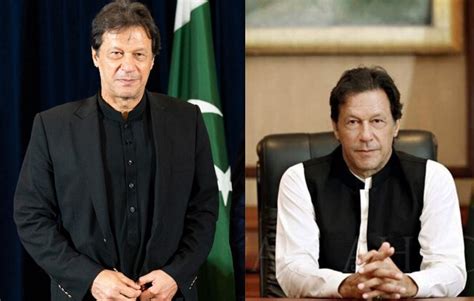
Imran Khan: Unpacking His Enduring Legacy and ImpactWhen we talk about
legends
in modern history, particularly those who have gracefully transitioned from sports stardom to the tumultuous world of politics and philanthropy, the name
Imran Khan
inevitably springs to mind. Guys, his journey isn’t just a simple career trajectory; it’s a saga filled with twists, turns, triumphs, and trials that few can claim to have experienced. From the dusty cricket pitches where he carved out an
unforgettable legacy
as one of the game’s greatest all-rounders and a World Cup-winning captain, to the fierce political arena where he championed the cause of a ‘New Pakistan,’ his influence has been nothing short of profound. This article isn’t just a retelling of facts; it’s an exploration of the man, the myths, and the undeniable impact he’s had on millions. We’re going to dive deep into his multifaceted persona, analyzing how his early life and stellar cricket career shaped the determined leader we know today, and how his unwavering commitment to social welfare laid the groundwork for his eventual entry into the demanding world of governance. So, buckle up, because we’re about to unpack the
enduring legacy
and significant
impact
of Imran Khan, examining the key moments that defined his path and the principles that guided his often-controversial yet always captivating public life. Understanding Imran Khan means understanding a significant chapter in recent South Asian history, a chapter marked by both soaring aspirations and formidable challenges. Let’s get started on this fascinating exploration, shall we?## The Unforgettable Cricket Legend: A Formative JourneyAlright, guys, let’s kick things off by looking at the foundation of the man, the very beginning of his public life: his
unforgettable cricket legend
. Before he was making headlines in politics, Imran Khan was a bona fide superstar on the cricket field, a true icon whose
formative journey
in sports laid much of the groundwork for his later ambitions. Born into an affluent family in Lahore, Pakistan, in 1952, Imran’s early life was steeped in privilege and academic pursuit, but it was on the cricket grounds that his true destiny began to unfold. He quickly showed immense talent, particularly as a fast bowler, and made his Test debut for Pakistan in 1971. However, it wasn’t an instant success story; like many great journeys, his was one of persistence and relentless self-improvement. He refined his skills, developed an incredible work ethic, and honed his strategic mind, eventually transforming into one of the sport’s most dominant all-rounders. His bowling was menacingly fast and accurate, his batting deceptively powerful, and his fielding, well, he was a natural athlete.What truly set Imran Khan apart, though, was his
leadership
. He was appointed captain of the Pakistan cricket team in the early 1980s, a role he embraced with a singular vision and a fierce determination to win. This wasn’t just about scoring runs or taking wickets; it was about instilling a winning mentality, fostering team spirit, and demanding nothing but the best from himself and his teammates. He taught a young, often inconsistent Pakistan side how to believe in themselves, how to fight against the odds, and how to achieve greatness. The pinnacle of his cricketing career, without a shadow of a doubt, was the
1992 Cricket World Cup
. This was a monumental achievement, a moment that etched his name into the annals of sporting history forever. Against all expectations, leading a team that many had written off, Imran Khan, sporting his famous “cornered tigers” philosophy, galvanized his squad to an improbable victory in Australia. He batted with a shoulder injury in the final, displayed tactical genius throughout the tournament, and inspired an entire nation. This victory wasn’t just about a trophy; it was a testament to his incredible resolve, his charismatic leadership, and his ability to unite a diverse group of individuals towards a common, audacious goal. It showed the world what could be achieved with belief, discipline, and sheer willpower. His ability to motivate and lead under immense pressure during that
formative journey
in cricket was a clear precursor to the challenges he would later face and tackle in the political arena. He truly became an
unforgettable cricket legend
, not just for his stats, but for his transformative influence on the game and his country’s morale. He literally retired from international cricket after that glorious win, leaving at the absolute peak, a move that only added to his mystique and cemented his place as a national hero. His sportsmanship, his refusal to compromise on standards, and his unwavering belief in meritocracy were principles that he would carry forward, long after hanging up his cricket whites. The discipline, the strategic thinking, and the sheer grit forged on the cricket field were invaluable assets for the next, much more challenging chapter of his life.## From Pitch to Politics: A New Chapter BeginsAfter conquering the world of cricket, you’d think most people would settle into a comfortable retirement, maybe some commentary, perhaps a bit of golf, right? But for
Imran Khan
, the
pitch to politics
was not just a transition; it was the inevitable next step in a life dedicated to serving the public. This marked a genuinely
new chapter
for the former sports hero, one that would prove to be far more complex and demanding than anything he’d encountered on the playing field. His motivation wasn’t about seeking personal glory or power; rather, it was born out of a deep-seated frustration with the prevailing corruption, injustice, and lack of accountability he witnessed in Pakistan’s political landscape. He often spoke about a vision for a “Naya Pakistan” – a new Pakistan – that would be free from the clutches of corruption, where justice was accessible to all, and where a welfare state would cater to the needs of the common person. This was a radical departure from the status quo, and it wasn’t going to be an easy fight.In 1996, Imran Khan officially launched his political party, the
Pakistan Tehreek-e-Insaf
(PTI), which translates to the Pakistan Movement for Justice. Guys, imagine trying to take on deeply entrenched political dynasties and established parties with little more than a vision and your personal charisma. It was an uphill battle, to say the least. For many years, PTI struggled to gain significant traction in the national elections, often being dismissed as a “one-man party.” The early days of his
political journey
were marked by immense challenges, including electoral defeats, skepticism from the mainstream media, and the arduous task of building a grassroots movement from scratch. He was ridiculed, criticized, and often underestimated, but his perseverance, a trait honed during his cricketing days, never wavered. He held massive public rallies, particularly among the youth and the educated middle class, who were disillusioned with traditional politics and yearned for genuine change. He articulated a clear message focused on
anti-corruption
, good governance, and an independent foreign policy, which resonated deeply with a segment of the population tired of dynastic politics and perceived subservience.The core of Imran Khan’s ideology for his
new chapter
was deeply rooted in the principles of social justice, accountability, and the establishment of a robust welfare state, much like the early Islamic state of Medina that he often referenced. He advocated for a meritocratic system, arguing that only by eradicating corruption and ensuring rule of law could Pakistan truly unlock its potential. His emphasis on
justice
and equality before the law was a powerful draw, attracting supporters who felt marginalized and unheard. While his political ascent was gradual, it was also steady, building momentum through persistent campaigning, a strong social media presence, and a clear, consistent message. The journey from the
pitch to politics
wasn’t just a career change; it was a moral crusade, an audacious attempt to transform an entire nation’s governance and ethical fabric. He embodied the hope for millions that change was indeed possible, even against the most formidable of adversaries. This laid the foundation for his eventual rise to power, showcasing a man who, regardless of the odds, was committed to his vision for a better Pakistan, proving that the strength of conviction could indeed challenge the most entrenched systems.## The Welfare Initiatives: Shaukat Khanum and Namal UniversityBefore stepping into the highest office,
Imran Khan
had already established himself as a prominent figure in philanthropy, demonstrating a profound commitment to public service through his groundbreaking
welfare initiatives
. These endeavors, particularly the
Shaukat Khanum Memorial Cancer Hospital and Research Centre
and
Namal University
, are arguably some of his most significant and universally acclaimed achievements, showcasing a side of him that transcends political divides. Guys, it’s truly inspiring to see someone leverage their fame and influence not just for personal gain, but for the collective good, especially in areas as critical as healthcare and education. The story behind Shaukat Khanum is deeply personal and incredibly poignant. It was founded in memory of his mother, Shaukat Khanum, who succumbed to cancer. Witnessing her struggle and the lack of proper cancer treatment facilities for the poor in Pakistan deeply affected Imran Khan. He made a vow to build a state-of-the-art cancer hospital that would provide free or subsidized treatment to those who couldn’t afford it, embodying a radical concept in a country where quality healthcare often came with a hefty price tag.The establishment of
Shaukat Khanum
was a monumental task. It required immense fundraising efforts, relying heavily on donations from Pakistanis both at home and abroad. Imran Khan literally toured the world, engaging with communities, playing cricket matches, and hosting fundraising dinners, all to gather the necessary funds. The hospital, which opened its doors in Lahore in 1994, became a beacon of hope. It’s not just a hospital; it’s a testament to what collective will and dedicated leadership can achieve. With advanced medical equipment and highly skilled professionals, it offers world-class cancer treatment, with approximately 75% of its patients receiving financially supported care. This
philanthropic
venture fundamentally changed the landscape of cancer
healthcare
in Pakistan, providing dignity and hope to countless families who previously had no options. It’s a living legacy to his mother and his unwavering belief that access to quality healthcare should not be determined by one’s economic status.Following the success of Shaukat Khanum, Imran Khan turned his attention to another critical area:
education
. He recognized that quality education, especially in remote and underprivileged areas, was crucial for national development. This vision led to the founding of
Namal University
in Mianwali, a relatively underdeveloped district in Punjab, his ancestral hometown. The idea behind Namal was to create an institution of higher learning that would provide world-class education to talented students, irrespective of their financial background. Much like Shaukat Khanum, Namal University relies on a significant endowment and philanthropic contributions to offer scholarships to a large percentage of its students. It partners with prestigious international universities, like the University of Bradford in the UK, to ensure the highest academic standards. The university focuses on engineering, computer science, and management sciences, aiming to equip young Pakistanis with the skills needed to compete globally. These
welfare initiatives
are not merely buildings; they are institutions that have transformed lives, offering a tangible demonstration of Imran Khan’s commitment to social upliftment. They stand as powerful symbols of his desire to create a more just and equitable society, proving that even amidst the cutthroat world of politics, the spirit of humanitarianism can thrive and leave an
enduring impact
on society. These projects underscore his core belief in empowering individuals through access to essential services, forming a critical part of his overall vision for a self-reliant and prosperous nation.## Leadership and Governance: Promises and RealitiesAfter decades in opposition, the moment arrived: in 2018,
Imran Khan
finally ascended to the office of Prime Minister, ushering in an era of
leadership and governance
that was met with immense hope and equally immense scrutiny. His victory, propelled by a wave of public sentiment against corruption and for change, signaled the start of a period defined by ambitious
promises and realities
. His core promise,
Naya Pakistan
, encompassed transforming the country into a welfare state, eradicating corruption, strengthening institutions, and implementing economic reforms. Guys, taking the reins of a country like Pakistan, with its complex economic challenges, regional geopolitical pressures, and deeply ingrained societal issues, is no small feat. It’s like being handed the captaincy of a ship in stormy seas, with everyone expecting you to calm the waters instantly.Upon taking office, his government immediately focused on a number of
key policies
. On the economic front, the emphasis was on fiscal discipline, increasing tax revenues, and attracting foreign investment. They also initiated an ambitious austerity drive to curb government expenditure, a move he often highlighted to demonstrate responsible
governance
. One of the most significant challenges was stabilizing the economy, which was grappling with a massive current account deficit and dwindling foreign exchange reserves. This necessitated seeking assistance from the International Monetary Fund (IMF), a decision that, while necessary, brought its own set of conditionalities and economic hardships for the common citizen. In terms of social reforms, the government launched initiatives like the
Ehsaas Program
, a comprehensive social safety net aimed at poverty alleviation, providing cash transfers, and expanding healthcare coverage to the underprivileged. This program reflected his long-standing commitment to the welfare state, translating his
philanthropic
vision into state policy.However, the journey of
leadership and governance
was not without its turbulent patches and
realities
that often clashed with initial
promises
. The economic reforms, while aiming for long-term stability, led to short-term inflation and increased cost of living, which was a significant source of public discontent. Critics often pointed to the government’s struggle to effectively manage the economy and deliver rapid relief to the common man. On the foreign policy front, Imran Khan pursued a more independent and balanced approach, aiming to foster stronger ties with countries like China and challenging what he perceived as unfair pressures from Western powers. His vocal stance on issues like Kashmir also defined his foreign policy agenda. Internally, his government faced constant political opposition, legal challenges, and a robust media landscape. Accusations of selective accountability in his anti-corruption drive, and questions about democratic freedoms, also characterized his tenure. Despite these challenges, his supporters commend him for his unwavering resolve, his efforts to instill a sense of national pride, and his commitment to tackling deeply rooted systemic issues. His time in office showcased the immense difficulty of translating grand visions into tangible, immediate results, especially in a complex political environment. It was a period of ambitious targets, significant reforms, and the inevitable clash between idealistic promises and the harsh realities of governing.## The Enduring Legacy: What Defines Imran Khan?So, after all this, guys, what truly constitutes the
enduring legacy
of
Imran Khan
? It’s clear he’s not just one thing; he’s a fascinating, complex tapestry woven from diverse experiences and unwavering convictions. When we reflect on what
defines Imran Khan
, we see a man who has played multiple, significant roles on the national and international stage: a celebrated cricketer, a dedicated philanthropist, and a determined politician. This multifaceted personality is perhaps his most striking characteristic. He transformed from a playboy sportsman into a devout Muslim and a national leader, constantly reinventing himself and pushing boundaries, refusing to be confined by conventional expectations. His journey is a powerful testament to
resilience
and the pursuit of ideals, even in the face of overwhelming odds and pervasive cynicism. He’s undeniably an
icon
whose influence extends beyond specific achievements, leaving an indelible mark on the collective consciousness of Pakistan and inspiring countless individuals globally.His most profound
impact
lies in challenging the status quo, whether it was in cricket, where he instilled a professional, winning culture, or in politics, where he dared to dream of a Pakistan free from corruption and injustice. He mobilized a generation of young Pakistanis and the diaspora, giving them a voice and a reason to believe in the possibility of change. The
Shaukat Khanum Hospital
and
Namal University
stand as monumental physical representations of his philanthropic vision, tangible proof that with determination, world-class institutions can be built for the benefit of the underprivileged. These initiatives highlight his deep-seated humanitarianism and his practical approach to addressing societal challenges, demonstrating that his commitment to welfare predates and transcends his political aspirations. They are arguably the most universally praised aspects of his
legacy
, showcasing a rare blend of compassion and executive drive.Ultimately, Imran Khan’s
enduring legacy
is a complex mix of triumphs and tribulations, of soaring
promises
and challenging
realities
. He leaves behind a narrative of a fighter who never gave up, a leader who inspired millions with his vision of self-reliance and justice. His political journey, though controversial and tumultuous at times, irrevocably altered Pakistan’s political landscape, creating a third political force and challenging the traditional two-party system. He brought a new level of awareness to issues like corruption and accountability, forcing a national conversation that continues to this day. Whether you agree with his politics or not, his audacity, his unwavering commitment to his ideals, and his sheer force of personality are undeniable. He has etched himself into the history books not just as a sportsman, but as a pivotal figure who sought to reshape his nation’s destiny. The lessons from his life – of perseverance, leadership, and an unyielding pursuit of a better future – will continue to resonate, influencing future generations and ensuring that the
impact
of Imran Khan remains a topic of spirited discussion and admiration for years to come. What defines him isn’t a single event, but the
sum total
of his audacious journey, a compelling blend of human flaw and heroic endeavor that continues to inspire and provoke thought.
