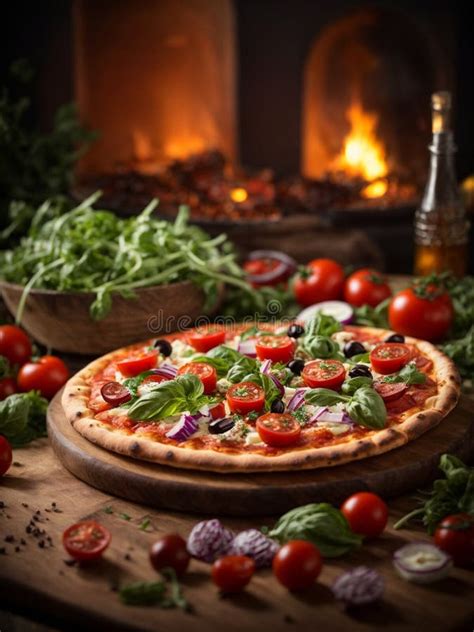
Neapolitan Pizza: Italy’s Authentic Culinary MasterpieceNeapolitan pizza, guys, is not just food; it’s a
culinary institution
and a true testament to Italy’s rich gastronomic heritage. When we talk about
authentic Neapolitan pizza
, we’re not just discussing any round flatbread with toppings; we’re diving deep into a tradition that’s been perfected over centuries in the vibrant city of Naples, Italy. This isn’t your average Friday night takeout; this is a work of art, a symbol of Italian pride, and a dish that has captivated taste buds across the globe. What makes it so utterly special? It’s a combination of meticulous ingredient selection, ancient techniques passed down through generations, and a passion that is distinctly Italian. From the moment you bite into that soft, chewy, yet slightly crisp crust, you’ll understand why this particular style of pizza holds such an revered place in the hearts of food lovers. It’s an experience, a journey to the very soul of Italian cooking, and something truly unique that you absolutely
have
to try if you ever find yourself in the beautiful country of Italy. This dish isn’t just about sustenance; it’s about culture, community, and the simple joy of sharing an incredible meal with loved ones, embodying the very essence of Italian warmth and hospitality. We’re talking about a legacy, a living, breathing tradition that continues to inspire and delight, making Neapolitan pizza a truly iconic and
unforgettable
culinary masterpiece.## The
True
Origins of Neapolitan PizzaLet’s get real about the origins of
Neapolitan pizza
, because its history is as rich and flavorful as the pizza itself, firmly rooted in the bustling streets of Naples,
Italy
. While flatbreads have existed for millennia, the pizza we recognize today, especially the iconic Neapolitan version, truly began to take shape in the late 17th and early 18th centuries in this very city. Initially, pizza was the food of the working class, a simple, affordable, and incredibly satisfying meal sold by street vendors. It wasn’t until 1889, legend has it, that Raffaele Esposito, a pizzaiolo from Pizzeria Brandi, created a pizza for Queen Margherita of Savoy during her visit to Naples. He made a pizza adorned with red tomatoes, white mozzarella, and green basil – colors reflecting the Italian flag – and thus, the
Pizza Margherita
was born, elevating pizza from a peasant’s meal to a dish fit for royalty. This pivotal moment cemented
Neapolitan pizza’s
place in the culinary lexicon, transforming it into a symbol of Italian identity. The tradition of making Neapolitan pizza has since been meticulously preserved, leading to the formation of organizations like the
Associazione Verace Pizza Napoletana
(AVPN), established in 1984. The AVPN acts as a guardian of the authentic Neapolitan pizza tradition, setting strict rules for its preparation, from the type of flour and tomatoes used to the cooking temperature and time in a wood-fired oven. These stringent guidelines ensure that every
authentic Neapolitan pizza
adheres to the standards that have been passed down through generations of
pizzaioli
. In recognition of its profound cultural significance,
Neapolitan pizza
was even granted
UNESCO Intangible Cultural Heritage of Humanity
status in 2017, a testament to its unparalleled role in Italian culture and its global appeal. This UNESCO designation doesn’t just celebrate a dish; it celebrates an entire art form, a way of life, and the dedication of countless individuals who have committed themselves to preserving this edible piece of history. So, next time you’re enjoying a slice, remember you’re not just eating food; you’re savoring centuries of tradition, passion, and culinary evolution straight from
Italy
.## What Makes Authentic Neapolitan Pizza So Unique?Alright, let’s break down what truly elevates
authentic Neapolitan pizza
above all others. It’s not just a collection of ingredients; it’s a symphony of simplicity, where each element plays a crucial role in creating that unforgettable taste and texture. The uniqueness of
Neapolitan pizza
stems from a very specific set of rules and traditions that master
pizzaioli
adhere to, ensuring every bite is a genuine taste of Naples,
Italy
. First off, it’s the
dough
, guys. This isn’t just any dough; it’s made from incredibly fine ‘00’ flour, water, salt, and fresh brewer’s yeast. It undergoes a long fermentation process, often taking 8 to 24 hours, which develops complex flavors and results in an incredibly light, airy, and digestible crust. The dough is then hand-stretched, never rolled with a pin, to preserve its delicate structure and create that signature irregular shape with a puffy, airy
cornicione
(the rim). Next, the
toppings
are minimal but mighty. For a classic Margherita, you’re looking at
San Marzano tomatoes
(grown in the volcanic soil of Mount Vesuvius, giving them a sweet, less acidic flavor), fresh
Mozzarella di Bufala Campana
(made from water buffalo milk, known for its creamy texture and tangy taste), fresh basil leaves, a drizzle of extra virgin olive oil, and a pinch of salt. These specific, high-quality ingredients are not interchangeable; they are essential to achieving the authentic flavor profile. Finally, the
cooking method
is paramount.
Neapolitan pizza
is cooked in a scorching hot wood-fired oven, reaching temperatures of 450-500°C (850-950°F), for a mere 60 to 90 seconds. This intense heat causes the crust to puff up dramatically, creating characteristic leopard spots (charring) on the
cornicione
and ensuring a perfectly cooked, moist, and tender interior. The result is a pizza with a soft, pliable center that’s almost soupy, and a light, airy, slightly charred crust – a true masterpiece of texture and flavor that can only be found in
authentic Neapolitan pizza
from
Italy
.### The Sacred Ingredients of Neapolitan PizzaLet’s talk about the absolute
must-haves
for genuine
Neapolitan pizza
from
Italy
, because seriously, compromising on these is like trying to make a Ferrari with bicycle parts. It just ain’t gonna fly! The foundation starts with
Type ‘00’ flour
, which is super finely milled and low in gluten, giving the dough that signature soft, pliable texture after a long fermentation. Then there’s the water; it’s got to be soft water, and
fresh brewer’s yeast
(or a tiny bit of natural sourdough) and sea salt are the only other components for the dough. For the sauce, we’re strictly talking
San Marzano tomatoes D.O.P.
, grown in the Agro Sarnese-Nocerino region near Mount Vesuvius. These beauties are less acidic and naturally sweeter than other varieties, providing that perfect vibrant red base. And for the cheese, forget the shredded stuff! It has to be
Mozzarella di Bufala Campana D.O.P.
, made from water buffalo milk, or, less commonly but still accepted,
Fior di Latte
(cow’s milk mozzarella) from the Agerola area. These cheeses melt beautifully, retaining their creamy texture without releasing too much water. Fresh basil leaves and a drizzle of the finest
extra virgin olive oil
complete the picture. Each ingredient, guys, is a superstar in its own right, and together, they create a harmony that is truly divine and unequivocally
Neapolitan pizza
.### The Art of Crafting the DoughThe dough for
authentic Neapolitan pizza
isn’t just mixed; it’s
crafted
with an almost religious reverence, a process that truly sets it apart. It all begins with the simple blend of ‘00’ flour, water, sea salt, and a minimal amount of fresh yeast. But the magic, guys, really happens in the
kneading
and
proofing
. The dough is kneaded gently, either by hand or with a low-speed mixer, to develop its elasticity without overworking the gluten, ensuring a soft, airy final product. This isn’t about brute force; it’s about finesse. Following the initial mix, the dough undergoes a crucial
long fermentation process
, typically ranging from 8 to 24 hours, sometimes even longer depending on the ambient temperature. This slow rise allows for complex flavors to develop, and crucially, makes the pizza incredibly digestible. After fermentation, the dough is portioned into individual balls, each weighing between 180 and 250 grams, and then left to proof again in individual containers. When it’s time to make the pizza, the
pizzaiolo
expertly stretches the dough by hand, gently pushing the air from the center outwards to form that distinct
cornicione
– the puffy, airy rim – without ever using a rolling pin. This meticulous process ensures the characteristic texture and delicate structure that is the hallmark of
Neapolitan pizza
from
Italy
.### The Fiery Heart: Wood-Fired OvensThe beating heart of any
authentic Neapolitan pizza
from
Italy
is undeniably the
wood-fired oven
. This isn’t just a cooking appliance; it’s a centuries-old tradition and a crucial component in achieving that signature Neapolitan perfection. These ovens are typically dome-shaped, built with refractory bricks, and designed to reach mind-boggling temperatures, usually between 450°C and 500°C (850-950°F). The heat comes from burning hardwoods, like oak or beech, which imparts a subtle smoky aroma to the crust. But it’s not just the temperature; it’s the
even distribution
of intense heat that cooks a pizza in an astonishing 60 to 90 seconds. This rapid cooking time is key: it instantly puffs up the
cornicione
, creates those beautiful leopard-like char marks on the crust, and cooks the toppings while keeping the center soft and slightly moist, almost soupy. Without a true wood-fired oven, it’s virtually impossible to replicate the unique texture, flavor, and char of a genuine
Neapolitan pizza
. It’s the ultimate test of a
pizzaiolo
’s skill and the indispensable tool for this Italian culinary masterpiece.## Experiencing Neapolitan Pizza in Naples, ItalyOkay, seriously, guys, if you want the
real deal
, there is absolutely no substitute for experiencing
Neapolitan pizza
right in its birthplace: Naples,
Italy
. It’s more than just eating; it’s an immersive cultural experience that engages all your senses. Imagine walking through the narrow, bustling streets of Naples, the air thick with the aroma of wood smoke, baking dough, and simmering tomatoes. You’ll stumble upon pizzerias, some grand and famous like
Pizzeria Brandi
or
Da Michele
, others small, family-run joints that have been serving generations of locals. The atmosphere inside these places is electric – loud conversations, the rhythmic thud of dough being slapped, the roar of the wood-fired oven, and the sheer joy on people’s faces as they devour their pies. When your pizza arrives, don’t expect it to be perfectly round or sliced into neat wedges;
authentic Neapolitan pizza
is meant to be eaten with a knife and fork, or folded in quarters (known as
pizza a portafoglio
if you’re eating it on the go). The center will be soft and pliable, almost liquid, meaning you really need to master the fork-and-knife technique to avoid a topping avalanche. This is part of its charm! You’ll taste the incredible freshness of the local
San Marzano tomatoes
, the creamy richness of
Mozzarella di Bufala
, and the delicate chewiness of the crust, kissed by the smoky char from the oven. It’s an honest, unpretentious, yet utterly profound culinary moment. Don’t be afraid to try the classic
Margherita
or
Marinara
– these are the foundational pies and often the best way to appreciate the purity of the ingredients and the skill of the
pizzaiolo
. Eating pizza in Naples isn’t just a meal; it’s a communion with history, a celebration of simple perfection, and a memory you’ll cherish long after you’ve left
Italy
. It truly is a bucket-list item for any food lover.## Beyond Naples: Finding Authentic Neapolitan Pizza WorldwideWhile nothing quite compares to enjoying
authentic Neapolitan pizza
right in the heart of Naples,
Italy
, the good news is that this culinary masterpiece has traveled far and wide, inspiring
pizzaioli
across the globe to uphold its sacred traditions. Thanks to the efforts of organizations like the
Associazione Verace Pizza Napoletana
(AVPN) and the
Associazione Pizzaiuoli Napoletani
(APN), you can now find certified Neapolitan pizzerias in major cities all over the world. These organizations provide rigorous training and certification processes, ensuring that establishments outside of Naples adhere to the strict guidelines for making true
Neapolitan pizza
. This means they use the specified ‘00’ flour, genuine San Marzano tomatoes, proper mozzarella, and most importantly, cook their pizzas in a blazing-hot wood-fired oven for a very short period. When you see a pizzeria proudly displaying the AVPN or APN logo, you can be reasonably confident that you’re about to experience a pizza that respects the age-old methods. While the local water or the specific atmosphere might be different, the essence of the pizza – its soft, pliable crust, minimal high-quality toppings, and blistered
cornicione
– will be wonderfully familiar. So, even if a trip to
Italy
isn’t on the cards right now, you can still seek out these dedicated artisans in your own city or nearby. They are carrying the torch of
Neapolitan pizza
, ensuring that this incredible piece of Italian culture can be savored by anyone, anywhere, bringing a little slice of Naples to your doorstep. It’s a testament to the universal appeal and enduring legacy of this magnificent dish.## Why Neapolitan Pizza Isn’t Just Food, It’s an ExperienceUltimately,
Neapolitan pizza
from
Italy
isn’t just about satisfying hunger; it’s an entire
experience
, a culinary journey that transcends mere sustenance and taps into something deeper, more cultural. It’s about the tradition, the passion of the
pizzaioli
, the simplicity of incredible ingredients, and the communal joy of sharing something truly special. When you bite into an
authentic Neapolitan pizza
, you’re not just tasting flour, water, tomatoes, and cheese; you’re tasting centuries of history, the volcanic soil of Mount Vesuvius, the sun-drenched fields of Campania, and the unwavering dedication of a city to its most beloved culinary export. It’s a dish that embodies the very soul of Italian hospitality – warm, inviting, and deeply satisfying. The fact that it’s recognized by UNESCO as an Intangible Cultural Heritage isn’t just a fancy title; it’s a recognition of the profound cultural significance this simple dish holds. It’s a reminder that sometimes, the most profound pleasures come from the simplest, most authentic traditions. So, whether you’re planning a trip to Naples or seeking out a certified
pizzaiolo
closer to home, remember that you’re not just ordering a meal; you’re embracing a piece of
Italy
, a delicious, historical, and deeply human experience that will leave you with a newfound appreciation for the art of true pizza. Dive in, guys, and let
Neapolitan pizza
transport you straight to the vibrant streets of its Italian homeland! It truly is a masterpiece that keeps on giving.
